
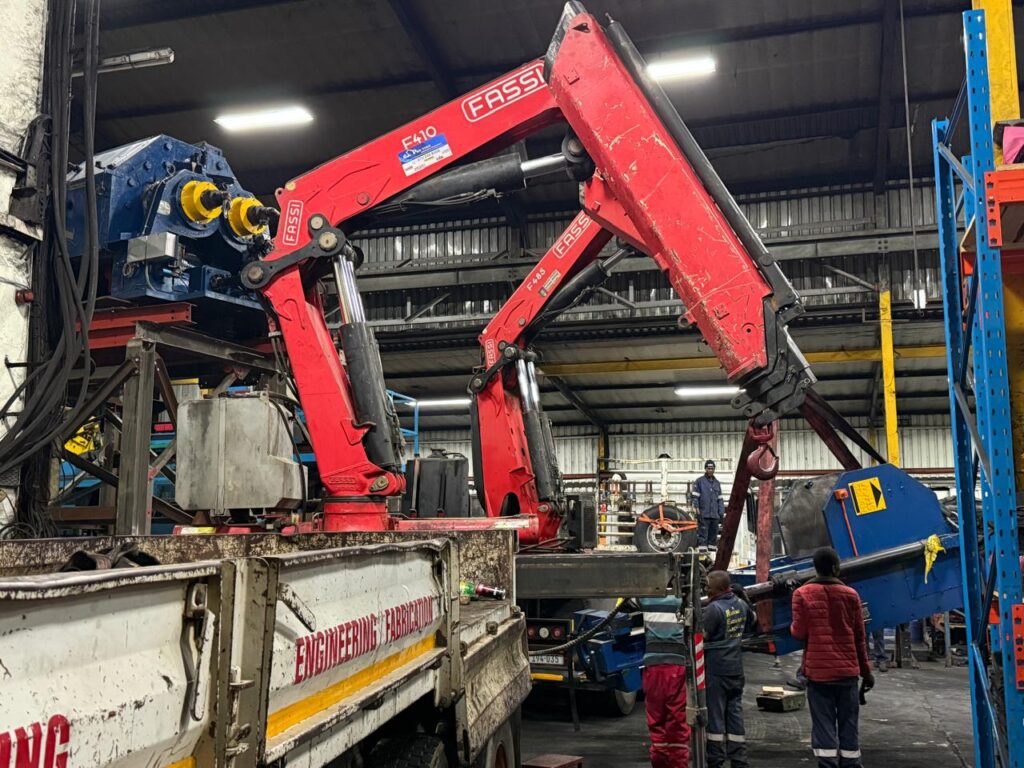
Before any lift begins, the equipment doing the work should be checked as carefully as the load itself. A missed crack in a shackle or a frayed strand in a wire rope sling can turn a routine lift into a serious incident. This checklist covers what a professional rigging team inspects before every job, and why each step matters.
Why Lifting Equipment Inspections Matter
Lifting equipment carries enormous static and dynamic loads, often well beyond what’s visible to the naked eye. Regular inspection catches wear, fatigue, and damage before it becomes a safety failure. In South Africa, these checks also tie directly into compliance with the Driven Machinery Regulations under the Occupational Health and Safety Act, which require lifting equipment to be inspected and certified at set intervals by a competent person.
What Should Be Inspected Before Every Lift?
A thorough pre-lift inspection typically covers five categories of equipment.
Wire rope slings and chains should be checked for broken strands, corrosion, kinks, flattened sections, and any signs of heat damage. Shackles, hooks, and connectors need to be examined for deformation, cracks, worn pins, and functioning safety latches. Cranes and hoists require a check of hydraulic lines, brakes, load charts, and outrigger stability before operation begins. Slings made from synthetic webbing should be inspected for cuts, fraying, chemical staining, and UV degradation, since these materials weaken with sun exposure over time. Spreader bars and lifting beams need a check for bends, weld integrity, and correct load rating for the job at hand.
How Often Should Lifting Equipment Be Inspected?
There are three layers of inspection that responsible rigging operations follow. A visual pre-use check happens before every single lift, carried out by the rigger or operator on site. A periodic inspection is a more detailed check performed on a routine schedule, often monthly, by a trained team member. A statutory inspection is a formal, certified inspection carried out at least every 12 months (or as required by equipment type) by an accredited Lifting Machinery Inspector, with documentation kept on file.
What Happens If Equipment Fails Inspection?
Any equipment that shows visible damage, exceeds its safe working load history, or fails a certification check should be removed from service immediately and tagged as unsafe until repaired or replaced. Continuing to use flagged equipment “just for one more lift” is one of the most common causes of preventable rigging incidents.
Choosing a Rigging Partner That Takes Inspection Seriously
Not every contractor treats equipment inspection with the same rigour. When evaluating a rigging or heavy lifting partner, it’s worth asking directly about their inspection schedule, whether their Lifting Machinery Inspector certification is current, and whether inspection records are available for review. A team that can answer these questions clearly is one that takes safety, not just the lift itself, seriously.
The Bottom Line
A successful lift starts long before the crane engages. Consistent, well-documented equipment inspection protects workers, protects the load, and keeps a project compliant and on schedule. It’s a small, routine habit that prevents the incidents no one wants to deal with.